
Affordable DIY Ceiling Ideas That Most Homeowners Overlook
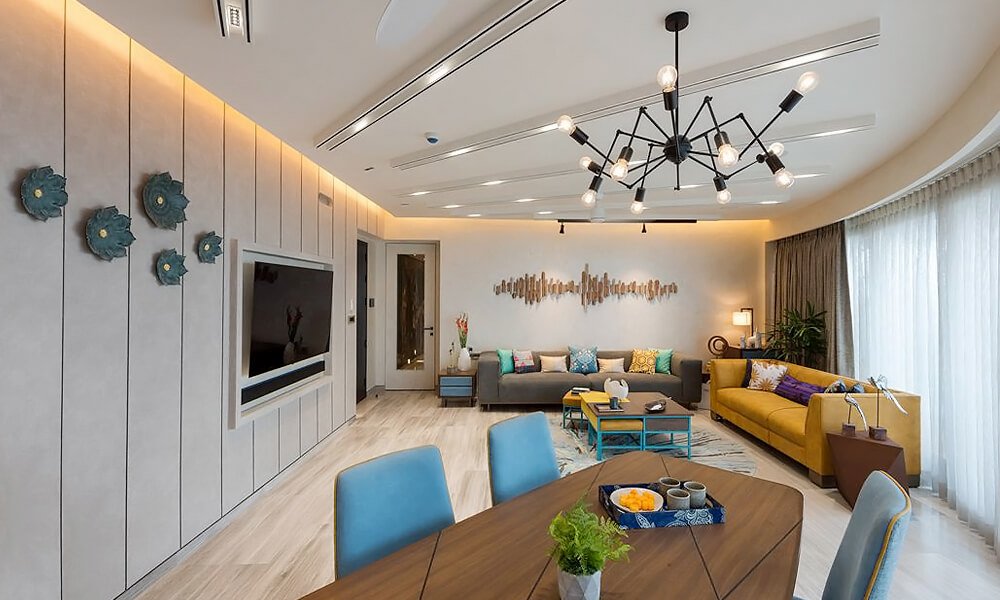
133 views
A ceiling is easy to ignore until you notice stains, cracks, outdated popcorn texture, or a plain white surface that makes an otherwise attractive room feel unfinished. While many homeowners focus on walls, flooring, and furniture, the ceiling—often called the "fifth wall" by interior designers—can have a surprising impact on how bright, spacious, and polished a room feels.
The good news is that refreshing a ceiling doesn't always require a major renovation or a contractor. With the right materials and a little patience, you can dramatically improve the look of a room on a modest budget. This guide explores affordable DIY ceiling ideas that many homeowners overlook, along with practical tips to help you choose the right option for your home.
Why Updating Your Ceiling Is Worth the Effort
Ceilings cover a large visual area, so even small changes can make a room feel noticeably different. A well-designed ceiling can:
Add architectural character without changing the room's layout.
Draw attention away from dated finishes or minor imperfections.
Improve how natural and artificial light is reflected.
Help create a cozy, elegant, rustic, or modern atmosphere.
Increase perceived value when your home is well maintained.
Many ceiling improvements are also easier than replacing flooring or remodeling cabinetry, making them appealing weekend projects.
1. Give the Ceiling a Fresh Coat of Paint
Painting remains one of the least expensive ways to transform a room.
Instead of automatically choosing bright white, consider colors that complement your walls and décor.
Some popular approaches include:
Soft warm white for a cleaner appearance.
Pale gray for contemporary interiors.
Light blue to create an airy feeling.
Matching the wall color for a seamless, modern look.
Deep colors in larger rooms for added warmth and drama.
Flat ceiling paint is generally preferred because it hides surface imperfections better than glossy finishes. Preparing the surface properly and painting in consistent sections also helps prevent visible roller marks.
2. Install Beadboard Panels
Beadboard has remained popular for decades because it adds texture without overwhelming a room.
Modern beadboard panels are available in:
MDF
PVC
Pine
Tongue-and-groove wood
Large panels are especially DIY-friendly because they cover more area with fewer seams. Once painted, beadboard creates a timeless cottage, farmhouse, or coastal appearance.
It's particularly effective in:
Kitchens
Bathrooms
Hallways
Laundry rooms
Covered porches (using moisture-resistant materials where appropriate)
3. Create a Faux Shiplap Ceiling
Shiplap isn't only for accent walls.
Installing painted boards across a ceiling instantly introduces depth and texture while hiding minor drywall flaws.
If authentic shiplap exceeds your budget, many homeowners achieve a similar appearance using inexpensive boards spaced evenly before painting.
This option works especially well in:
Bedrooms
Living rooms
Basements
Home offices
Proper fastening into ceiling joists is important for long-term stability.
4. Add Lightweight Ceiling Medallions
A ceiling medallion is one of the simplest upgrades that many homeowners never consider.
Installed around a chandelier or ceiling fan, it creates an elegant focal point with minimal effort.
Modern polyurethane medallions are:
Lightweight
Affordable
Easy to paint
Easier to install than traditional plaster versions
Even a modest light fixture can look more custom with the addition of a decorative medallion.
5. Install Decorative Ceiling Tiles
Decorative ceiling tiles are available in several affordable materials, including lightweight PVC and foam.
They can imitate:
Pressed tin
Traditional plaster
Geometric patterns
Modern textures
Many products are designed for glue-up installation over smooth existing ceilings, making them suitable for experienced DIY homeowners.
This approach works well if your ceiling has cosmetic imperfections that painting alone won't hide.
6. Use Simple Trim to Create Coffered-Look Designs
True coffered ceilings are expensive, but you can achieve a similar appearance with inexpensive molding or wood trim.
The process involves attaching trim in a grid pattern before painting everything the same color.
Benefits include:
Adds architectural interest
Makes builder-grade rooms feel more custom
Works with both traditional and modern homes
Although measuring accurately takes time, the materials themselves are relatively affordable.
7. Try Peel-and-Stick Wallpaper
Ceiling wallpaper has become increasingly popular, especially in powder rooms, bedrooms, and dining areas.
Peel-and-stick products are easier to install than traditional wallpaper and come in hundreds of patterns.
Popular choices include:
Floral prints
Geometric designs
Faux wood
Textured linen effects
Metallic accents
A patterned ceiling works best when the rest of the room has a relatively simple design.
8. Install Faux Wood Beams
Real structural beams are expensive, but decorative foam or hollow wood beams provide a similar visual effect.
They create warmth and character while remaining lightweight enough for many DIY installations.
They're particularly attractive in:
Living rooms
Vaulted ceilings
Farmhouse interiors
Rustic-inspired homes
Because they become a focal point, fewer decorative accessories are often needed elsewhere in the room.
Comparing Popular Budget-Friendly Ceiling Ideas
Ceiling Idea | DIY Difficulty | Best For | Main Advantage |
|---|---|---|---|
Paint | Easy | Any room | Lowest cost and quickest update |
Beadboard | Moderate | Kitchens, bathrooms | Adds texture and charm |
Faux shiplap | Moderate | Living rooms, bedrooms | Covers imperfections beautifully |
Ceiling medallion | Easy | Around light fixtures | Elegant focal point |
Decorative tiles | Moderate | Older ceilings | Hides cosmetic flaws |
Trim grid design | Moderate | Dining and living rooms | Mimics expensive architecture |
Peel-and-stick wallpaper | Moderate | Bedrooms, powder rooms | Bold visual impact |
Faux beams | Moderate | Larger rooms | Rustic architectural character |
How to Choose the Right Ceiling Upgrade
Before purchasing materials, ask yourself a few practical questions.
Is the ceiling in good condition?
Paint or wallpaper works best on smooth, undamaged ceilings.
If there are cracks, uneven texture, or stains, paneling or decorative tiles may provide better coverage.
Is moisture a concern?
Bathrooms, kitchens, and porches benefit from moisture-resistant products such as PVC beadboard or waterproof ceiling tiles.
What style fits your home?
Modern homes often suit painted ceilings or simple trim.
Farmhouse interiors pair well with shiplap and beams.
Traditional homes look elegant with medallions and molding.
Coastal homes often feature painted beadboard.
Choosing a design that complements your existing décor usually produces better results than following short-lived trends.
Common DIY Ceiling Mistakes
Many ceiling projects fail because of rushed preparation rather than poor materials.
Avoid these common mistakes:
Skipping surface cleaning before painting.
Ignoring water stains without fixing the leak first.
Using glossy paint that highlights imperfections.
Measuring trim inaccurately.
Failing to locate ceiling joists before attaching heavier materials.
Overcrowding a small room with multiple decorative treatments.
Taking extra time during preparation often produces a much more professional finish.
Tips for a Better DIY Finish
If you're tackling your first ceiling makeover, these simple practices can make the project smoother:
Move furniture or cover it completely.
Use a sturdy ladder with plenty of working space.
Mark ceiling joists before installing boards or beams.
Test paint colors on a small section first.
Work with natural daylight whenever possible.
Allow adhesives and paint to cure fully before reinstalling fixtures.
Small details like these often separate an average DIY project from one that looks professionally finished.
Frequently Asked Questions
Can I install a new ceiling over an existing one?
Sometimes. Lightweight materials such as beadboard panels or decorative ceiling tiles can often be installed over an existing stable ceiling. Always follow the manufacturer's installation recommendations and ensure the underlying surface is sound.
What's the cheapest way to improve a ceiling?
Painting is usually the most affordable option. For a slightly larger budget, adding a ceiling medallion or simple trim can create a much more customized appearance.
Are ceiling projects suitable for beginners?
Many are. Painting, installing a medallion, or applying peel-and-stick wallpaper are beginner-friendly projects. More advanced installations, such as shiplap or decorative beams, require careful measuring and secure fastening.
Which ceiling finish hides imperfections best?
Flat paint, beadboard, decorative panels, and ceiling tiles all do a good job of disguising minor flaws better than glossy painted drywall.
Will updating the ceiling increase home value?
While cosmetic upgrades alone don't guarantee a specific increase in resale value, a clean, updated ceiling contributes to a home's overall appearance and can make rooms feel better maintained and more appealing to buyers.
A Small Upgrade That Makes a Big Difference
Looking up may not be the first thing people do when entering a room, but an attractive ceiling quietly shapes the entire space. Whether you choose a fresh coat of paint, classic beadboard, decorative trim, or a simple ceiling medallion, these affordable DIY improvements can refresh your home without stretching your budget.
Start with the room that bothers you most, choose a project that matches your skill level, and take your time with preparation. A thoughtful ceiling makeover often delivers far more visual impact than homeowners expect, proving that one of the most overlooked surfaces in the house can become one of its best design features.
ceiling decor
DIY ceiling
home improvement
room makeover
decorative ceiling
interior ideas
Found this helpful? Share it!